

Optimal Timing for Email Writing: Mastering the Art of Perfectly Timed Communication
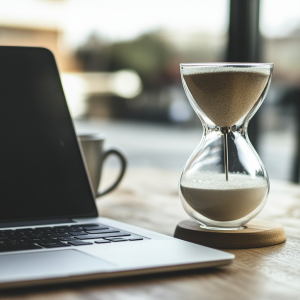
While crafting the perfect email is an art, the timing of sending these emails can significantly influence open rates, response time, and overall effectiveness. Understanding the rhythm of your audience’s digital life is key to optimizing the delivery time.
Understanding the Importance of Timing in Email Communication
Timing is everything in the digital world, and emails are no exception. When you send an email, it competes with a flood of other messages. Standing out not only depends on catchy subject lines or compelling content but also on when the email hits the inbox. The right timing can mean the difference between an email that’s opened and read and one that’s ignored or ends up in the junk folder.
The Science Behind Optimal Email Timing
Numerous studies delve into the science of email timing, examining patterns in people’s behaviors and their interactions with their inboxes. Factors influencing optimal timing include time zones, daily routines, and even psychological patterns. Emails sent early in the week generally perform better, with Tuesday and Thursday being ideal for most professional communications. People returning to work tend to check their emails more diligently, making these days optimal for important messages.
How Time Zones Affect Email Delivery
In today’s globalized world, your recipient could be in a different time zone. Ignoring time zones can lead to poorly timed emails that arrive when the recipient is unavailable, thus reducing open rates. A good strategy is segmenting your audience according to location and scheduling emails to optimize the chances of the message being at the top of their inbox as they start their day.
Daily Rhythms and Their Impact on Email Engagement
Daily routines significantly affect when people engage with their emails. Mornings often begin with checking new messages, which makes them a prime time for email delivery. However, understanding that different audience segments have unique routines is crucial. For instance, B2B communications thrive in the early morning when individuals are fresh and keen to tackle business matters. In contrast, lifestyle or consumer-oriented emails perform better mid-day or in the early afternoon when individuals take breaks.
The Golden Hours: Best Times to Send Emails
While general patterns suggest mornings are preferable, ‘golden hours’ can vary based on the audience and the message type. For critical and professional emails, 9 a.m. to 11 a.m. is a sweet spot. However, for promotional emails targeting consumers, sending between 1 p.m. and 3 p.m. often yields better engagement. The key is experimenting with different times to discover what works best for your specific audience, using analytics to refine your approach continuously.
Avoiding Common Pitfalls: Worst Times to Send Emails
Just as certain times are optimal, there are also periods best avoided. Weekends typically see lower engagement rates; however, for leisure or retail-oriented emails, this is not always the case. Similarly, late evenings can result in your email being buried under fresher correspondence when recipients check their inbox the next day. Avoid sending communications during holidays or major events unless the content is directly relevant, as these messages are likely to be overshadowed.
The Role of Technology and Automation in Email Timing
Automation and technology can significantly aid in optimizing email delivery times. Advanced email marketing platforms analyze engagement data to determine the best times to deliver messages for different audience segments. Features like send-time optimization use machine learning to analyze patterns and automatically schedule emails to be delivered at times when engagement is projected to be highest.
Testing and Analyzing: The Feedback Loop
A key strategy in finding the best email sending times is A/B testing different times and analyzing which yields the best open and click-through rates. Email analytics allows for tracking recipient engagement and adjusting email schedules accordingly. Over time, this feedback loop will refine your timing strategy to maximize engagement.
Building Trust with Consistency
Another component of optimal email timing is consistency. Consistent communication builds trust and anticipation, encouraging recipients to engage at predictable times. Whether it’s a weekly newsletter or daily updates, maintaining a consistent schedule can help in not only boosting engagement rates but also in strengthening the relationship with your audience.
In essence, the timing of email delivery is as crucial as its content. Understanding the factors that influence email timing, such as audience behavior, time zones, and daily routines, empowers businesses and individuals to optimize their email marketing strategies effectively. By harnessing the power of technology, testing, and the art of observation, you can master the art of perfectly timed email communication, thereby maximizing your audience’s engagement and ensuring your message is not just heard but also acted upon.
Ultimately, it’s through the alignment of timing with content that emails reach their full potential, making them a powerful tool for communication in the digital age.








 English
  العربية
  Español
  Deutsch
  Suomi
Suomi  Français
  日本語
日本語  한국어
한국어  Português
  Svenska
  Tiếng Việt
  简体中文
简体中文  香港中文
香港中文
Leave a Reply
Want to join the discussion?Feel free to contribute!